
5 Reasons You Can't Poop on GLP-1 — And Why It's Worse Than You Think
Flush out pounds of stuck poop
Works in 24-48 hours
Feel lighter + flatter belly
100% natural
30-Day Money Back Guarantee



1
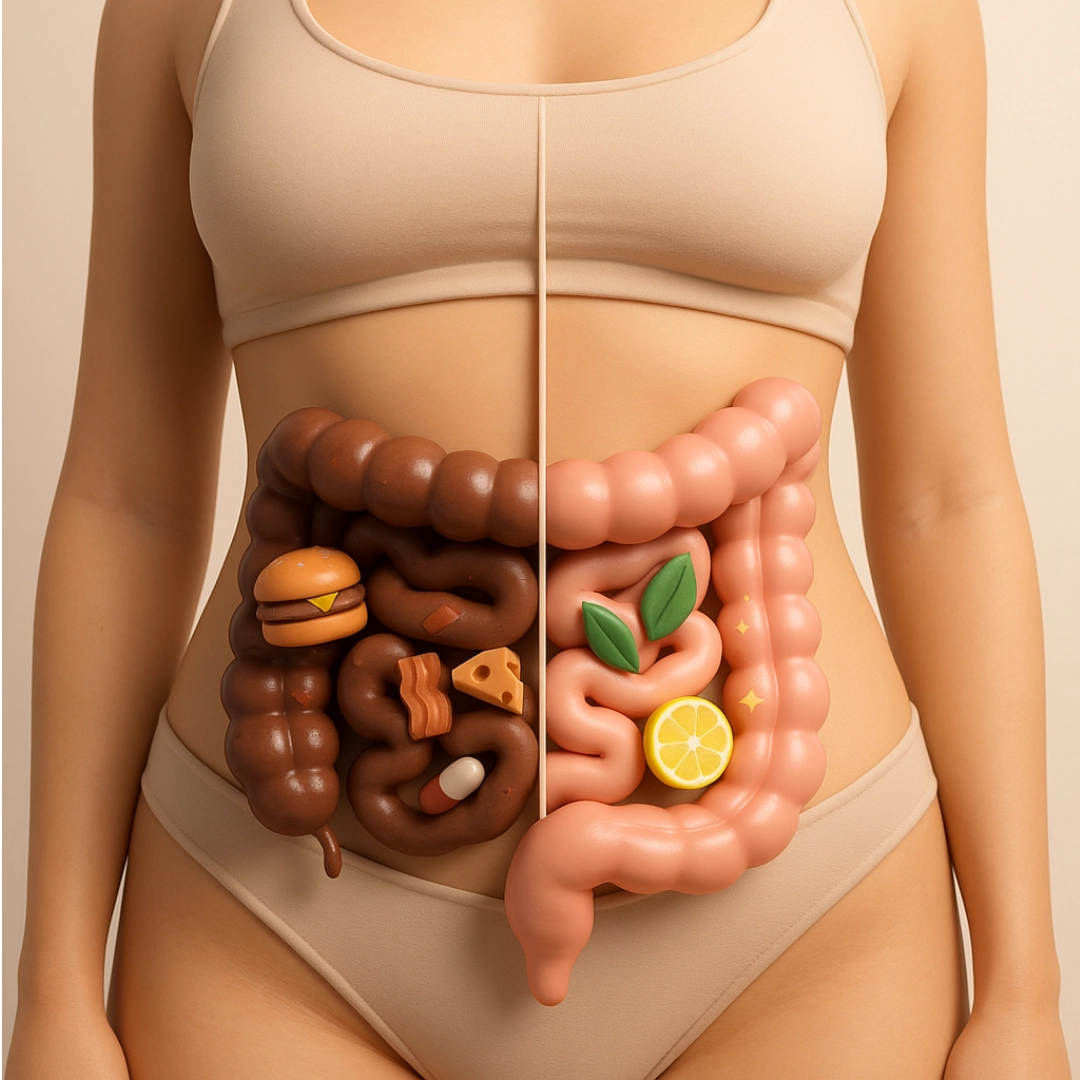
Your GLP-1 is slowing down more than your appetite
GLP-1 medications work by slowing gastric emptying — which is great for curbing hunger, but can leave your gut moving at a crawl.
Healthy gut transit time is 24–72 hours. On a GLP-1, many users cross the 3–4 day mark without going — the clinical definition of severe constipation. That's days of backed-up waste your body can't flush out.*
Healthy gut transit time is 24–72 hours. On a GLP-1, many users cross the 3–4 day mark without going — the clinical definition of severe constipation. That's days of backed-up waste your body can't flush out.*
2
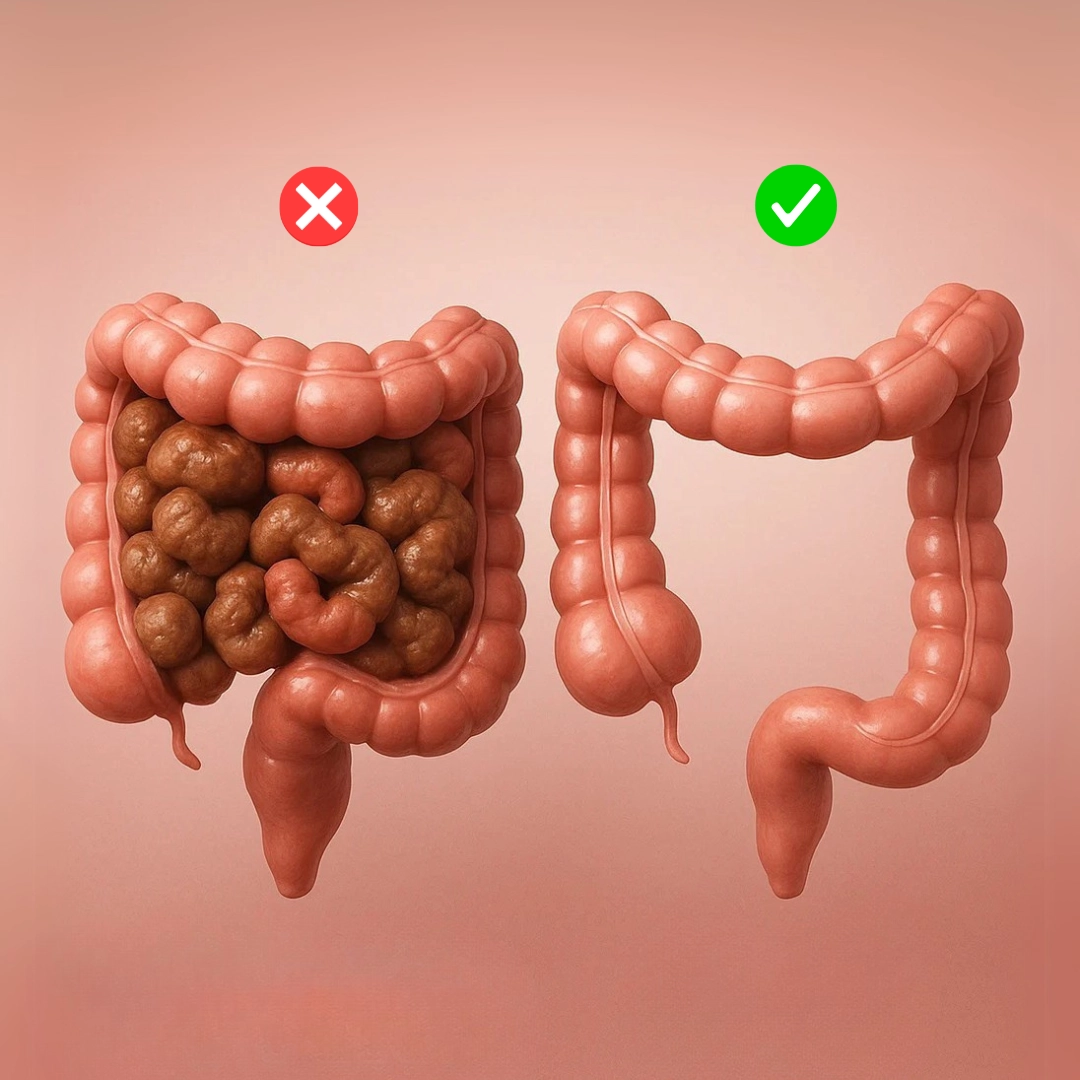
Constipation can add up to 5 inches to your waistline
That's not a fat problem. That's a waste problem. When your gut stops moving, waste piles up and your stomach pays for it — visibly.*
3
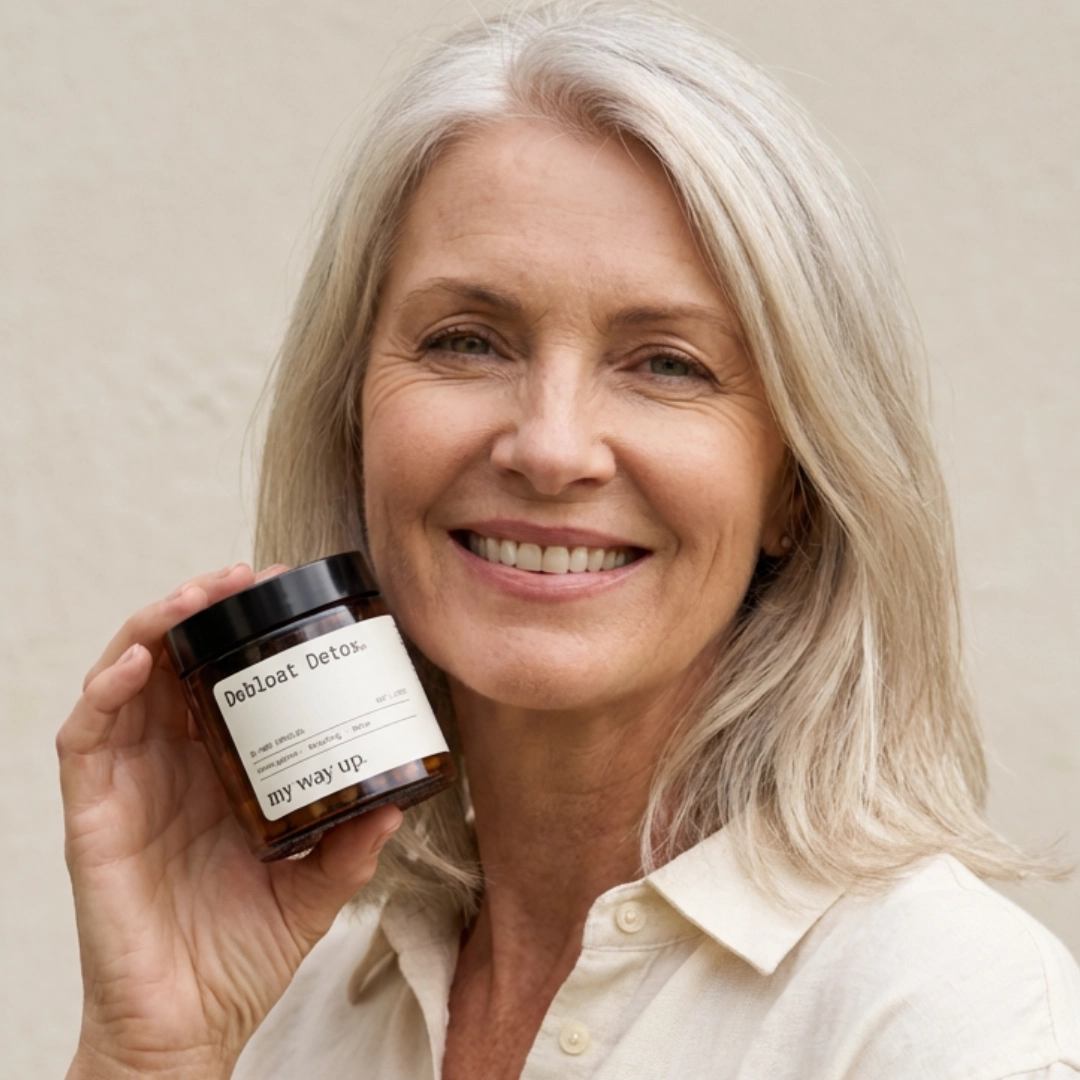
You're exhausted, foggy and irritable
When waste sits in your colon for days, harmful bacterial byproducts accumulate and gut permeability increases — triggering a systemic inflammatory response that reaches your brain via the gut-brain axis.*
4
Your skin has changed - breakouts, dullness, that inexplicable tired look
If your skin has worsened since starting a GLP-1 — more breakouts, more dullness, puffiness that won't quit — your backed-up gut is almost certainly a factor. When waste sits in your colon for days, bacterial byproducts accumulate and get reabsorbed into the bloodstream. Your gut microbiome shifts. Inflammation rises. And your skin — the largest organ in your body — reflects every bit of it.*

5
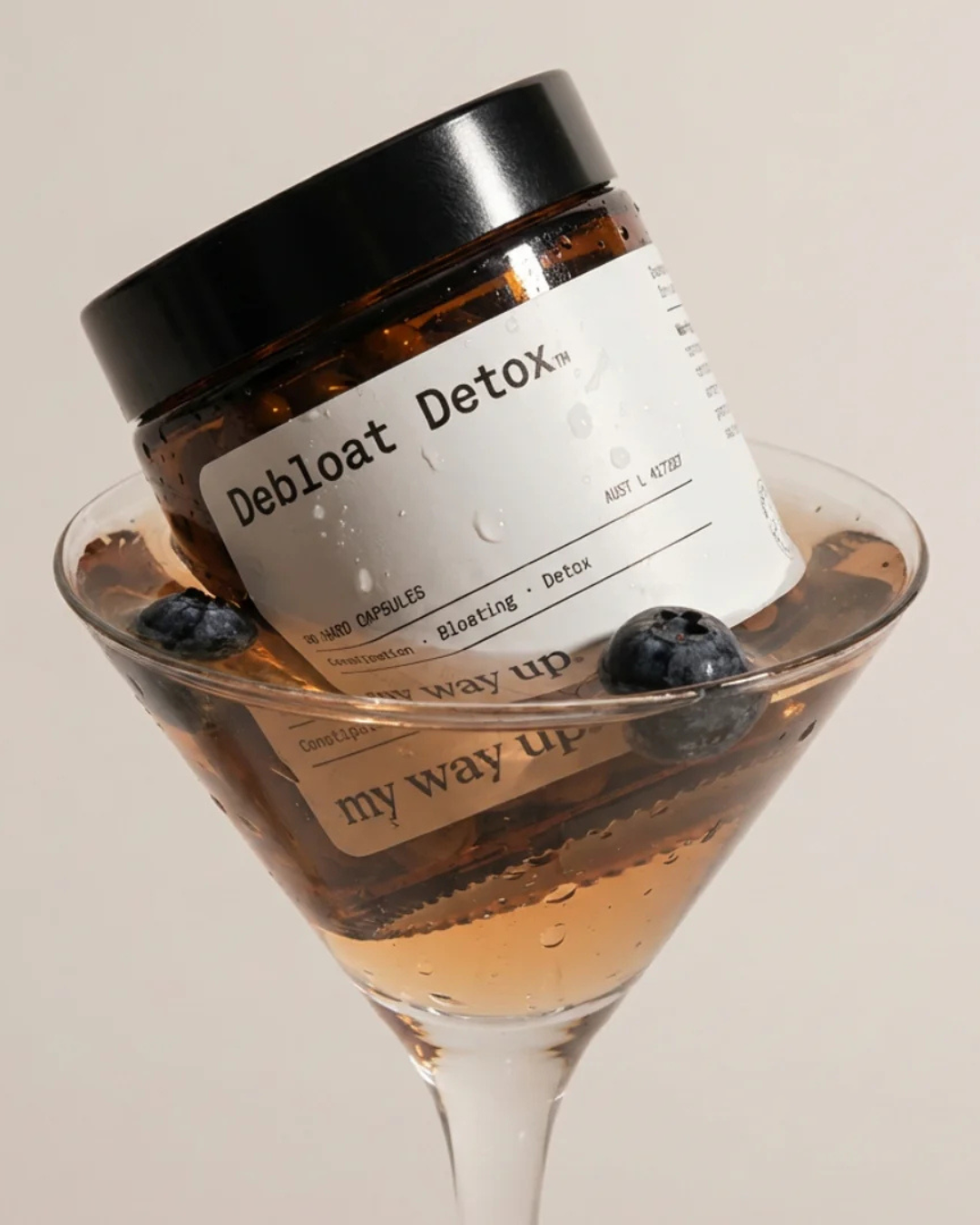
Debloat Detox helps your body what it's supposed to do - naturally
Debloat Detox is formulated to get your gut moving again — gently, effectively, and without harsh chemicals. No cramping. No dependency. Just the kind of clean, complete elimination your body's been missing. Thousands of people are already waking up lighter, less bloated, and finally feeling like themselves again.


Debloat Detox®
$44.99
Stop The GLP-1 Backup Right Now
Join over 500,000 customers who stopped feeling weighed down by stubborn waste and reclaimed their progress.

Finally, Total Relief
It's a total game changer for the back-up.
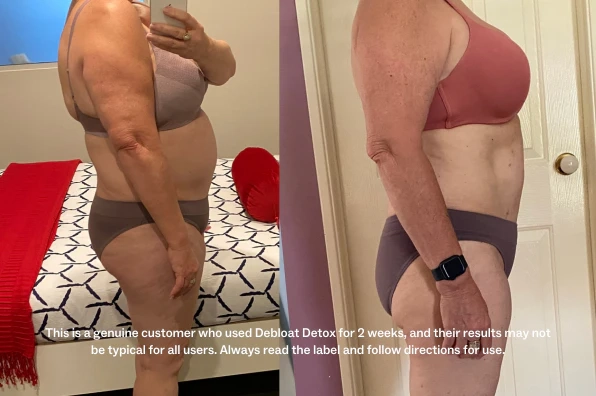
Lost 2 Inches of Bloat
The weight was coming off but the bloat stayed. This cleared the waste and I finally saw my real waistline. I look and feel like a different person!
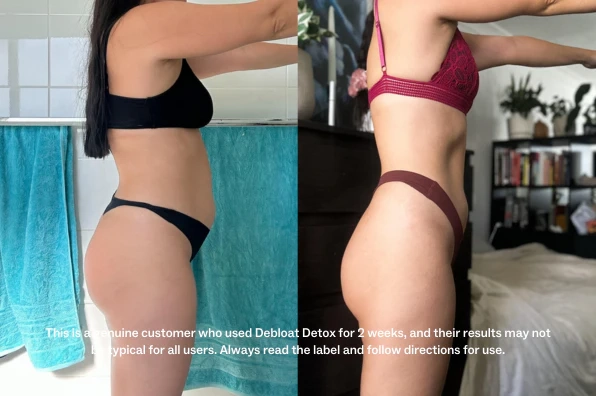
Daily Regularity
I went from once every 4 days to every single morning like clockwork. No cramping, no emergency runs, just gentle and effective elimination.

Brain Fog Lifted
I didn't realize how much the constipation was affecting my focus. Once I cleared the toxicity, my energy soared and my skin finally cleared up.

The Perfect Sidekick
If you are on a GLP-1, you NEED this. It is the only thing that keeps my gut moving naturally.
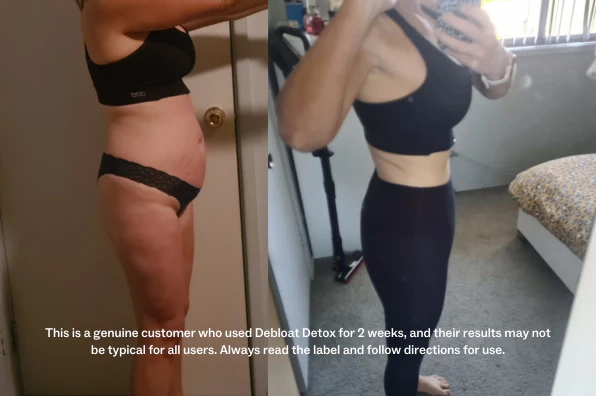
Great Product!
I've been using this for 4 days and my goodness I didn't think I had so much backed up inside me.
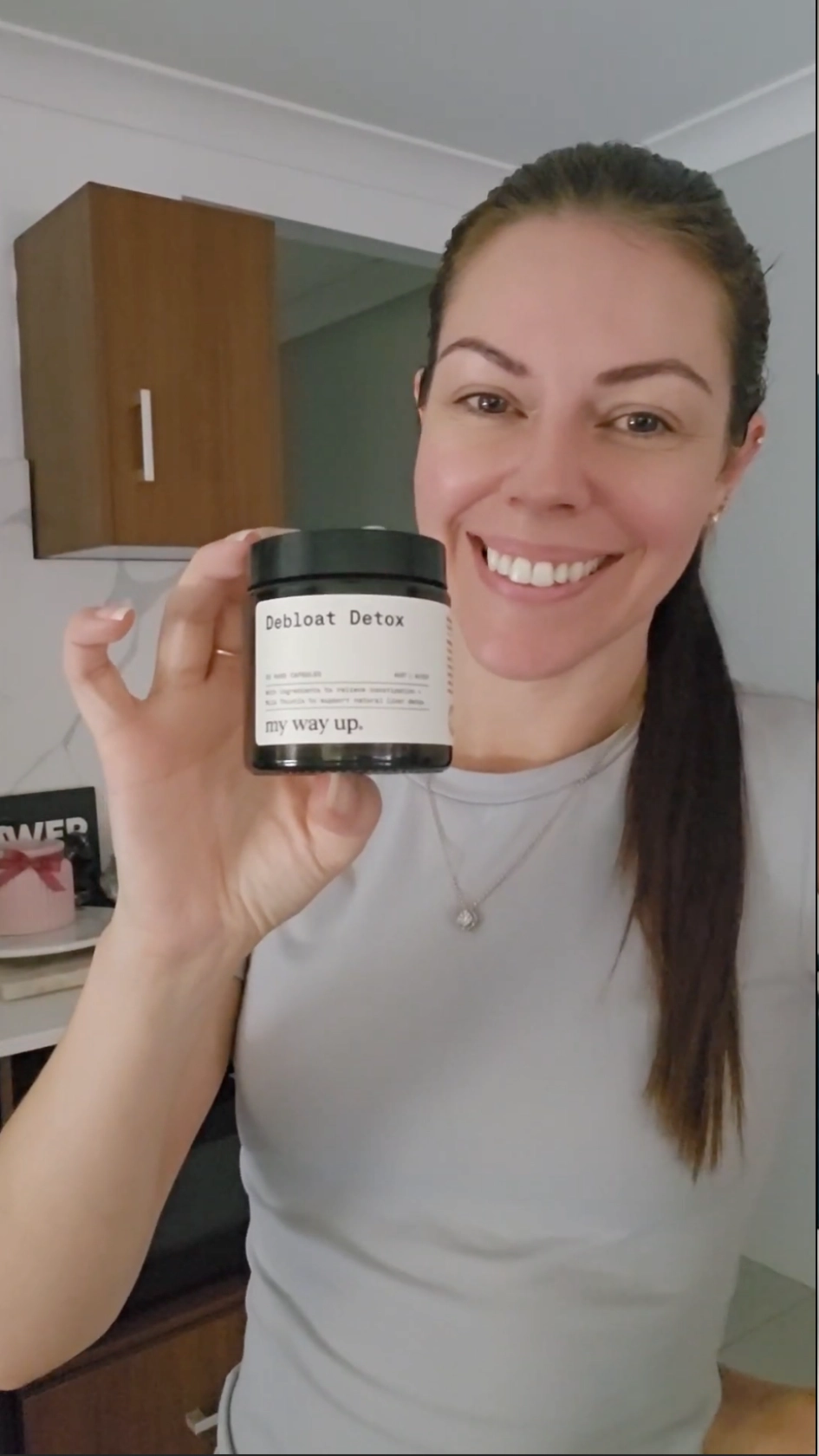
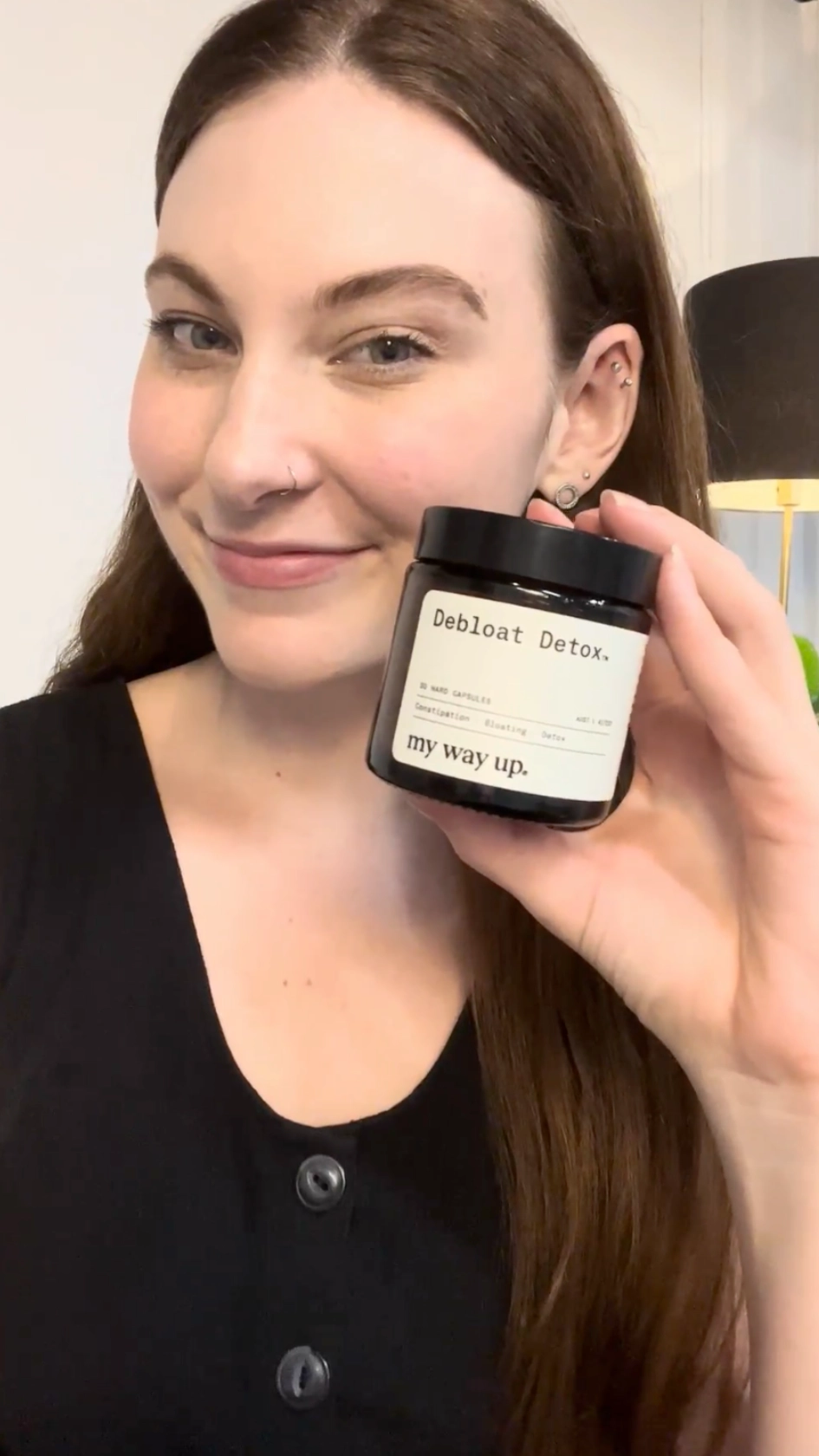
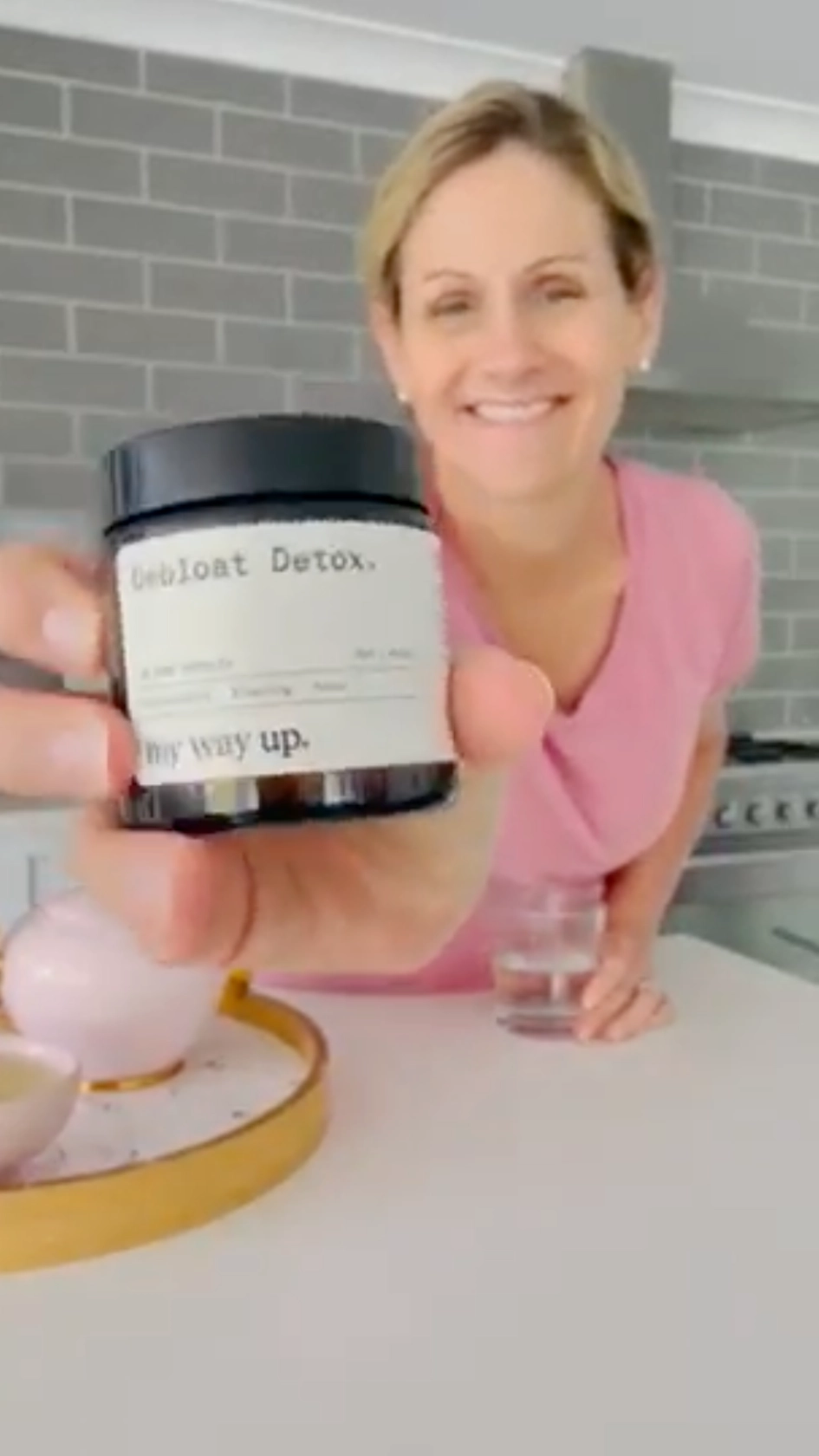
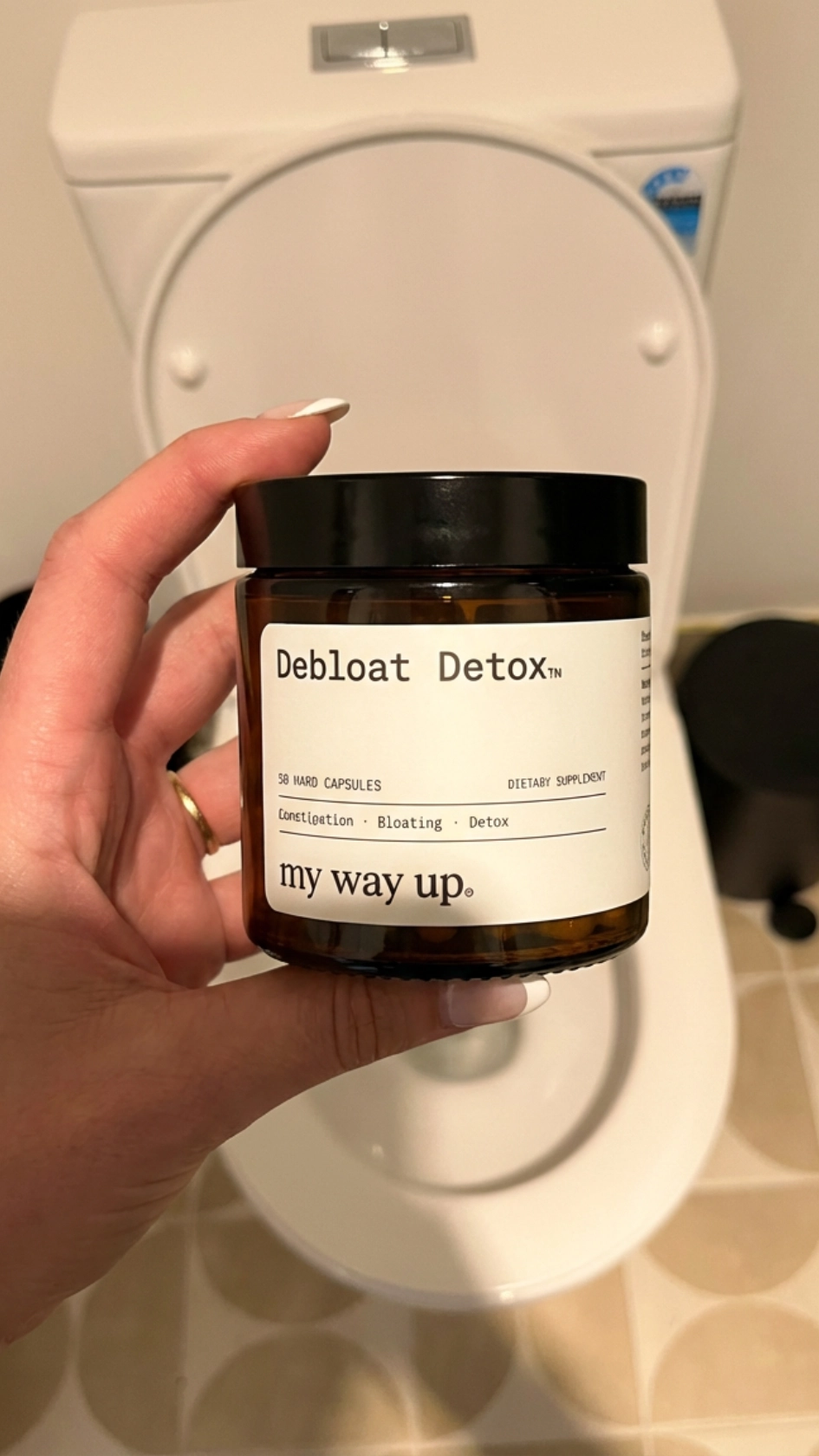

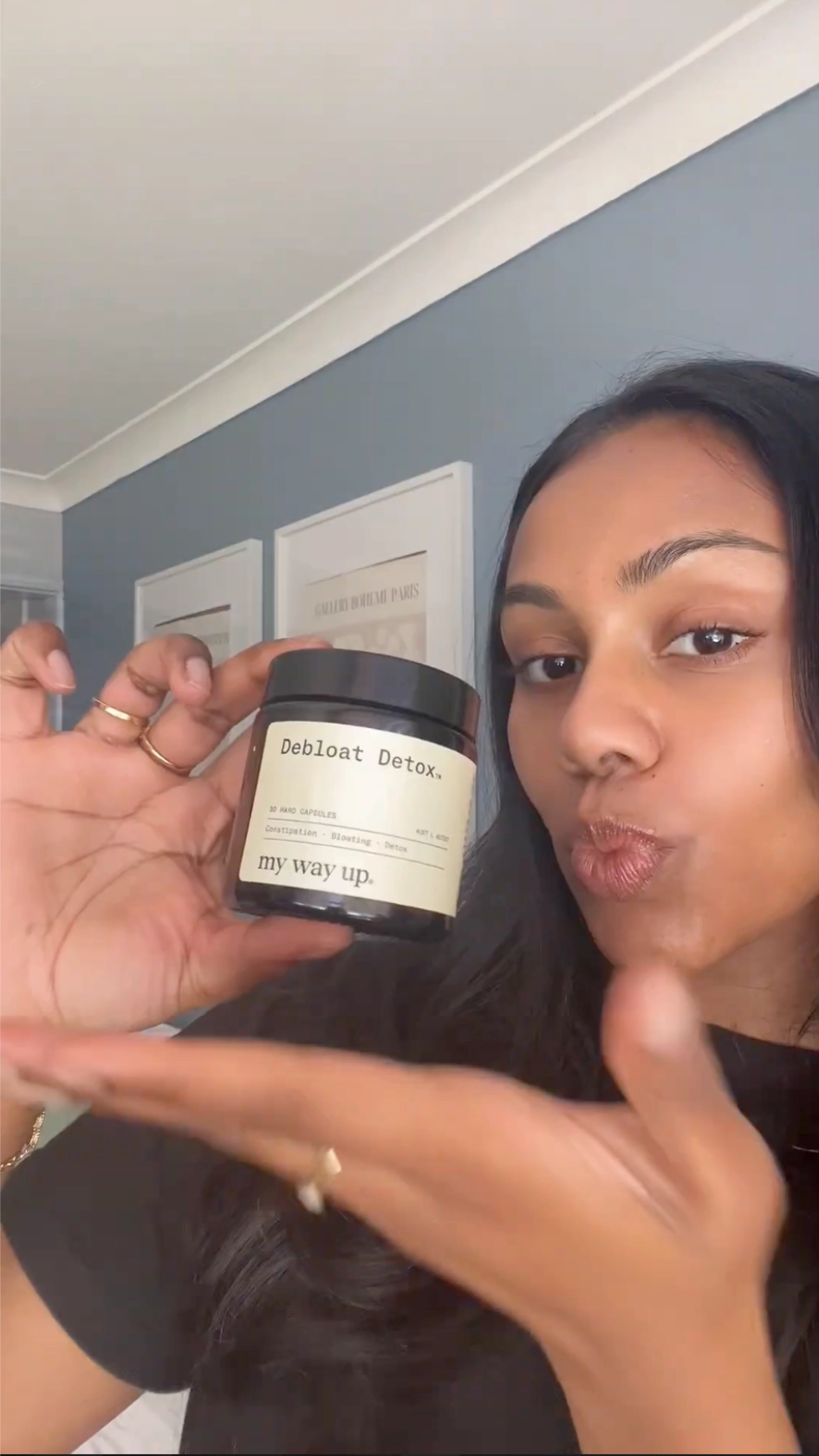
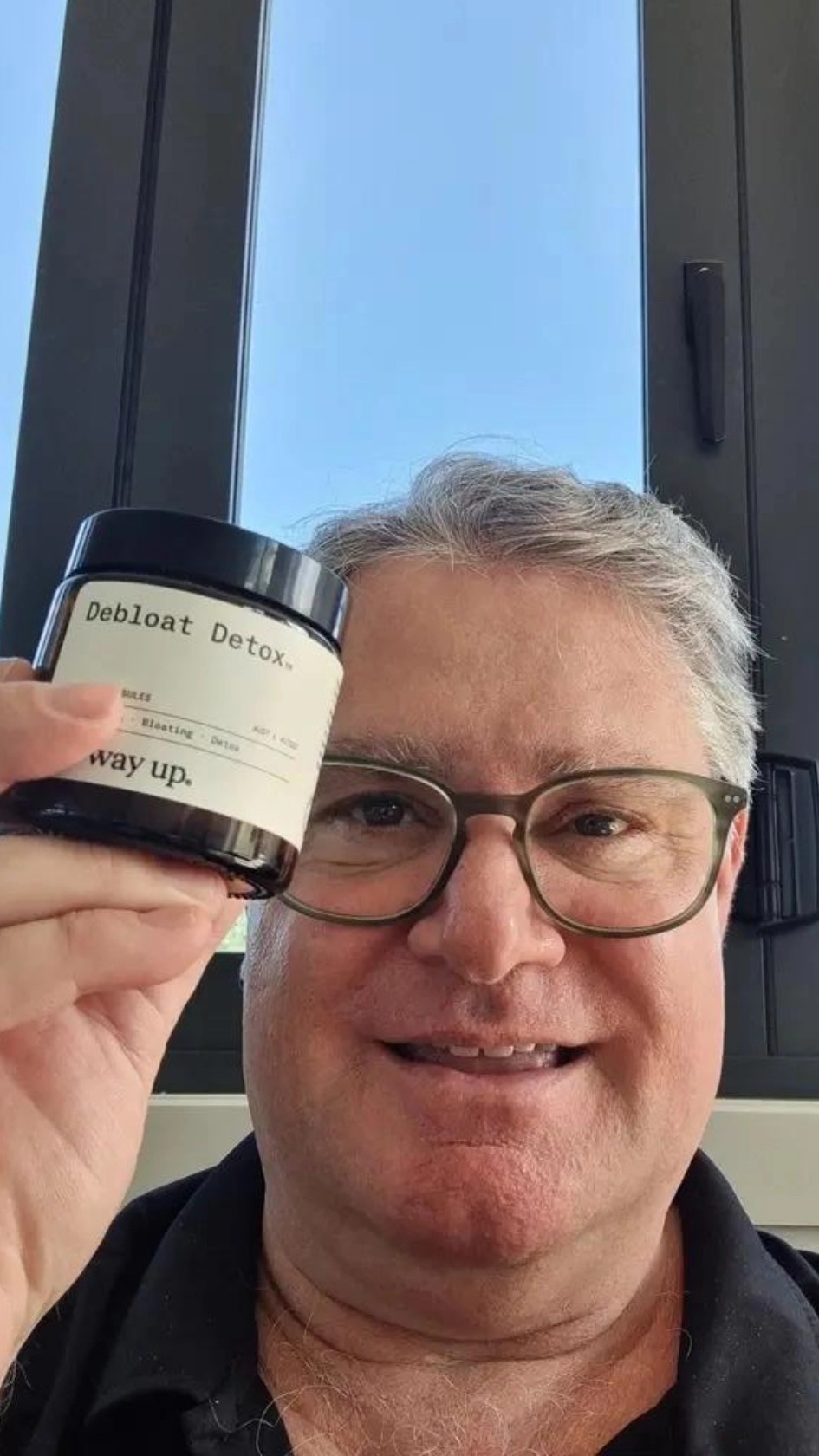
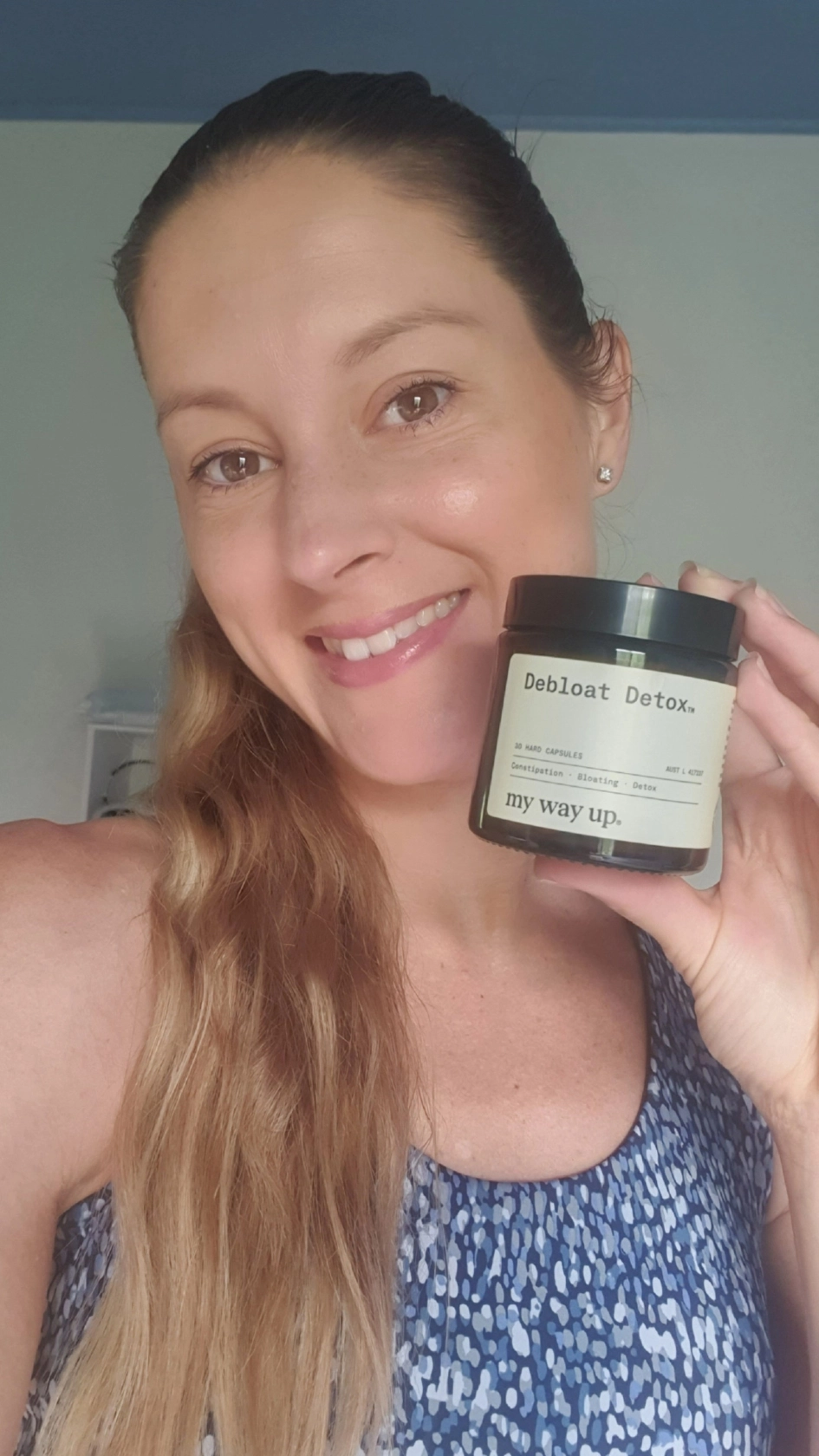
Stop Feeling Weighed Down
See why thousands of people call this their 'essential' sidekick for keeping their bowels on track.
Real Results: Flush out stuck poop, naturally in 14 days.
92%
Feel lighter
reported a satisfying bowel movement within 24 hours of their first dose
89%
Reduced Bloat
reported reduction in visible waistline distension from stored waste
500K+
Guts Transformed
people have used My Way Up to get their regularity back on track
Results based on internal customer surveys of 200 men and women.
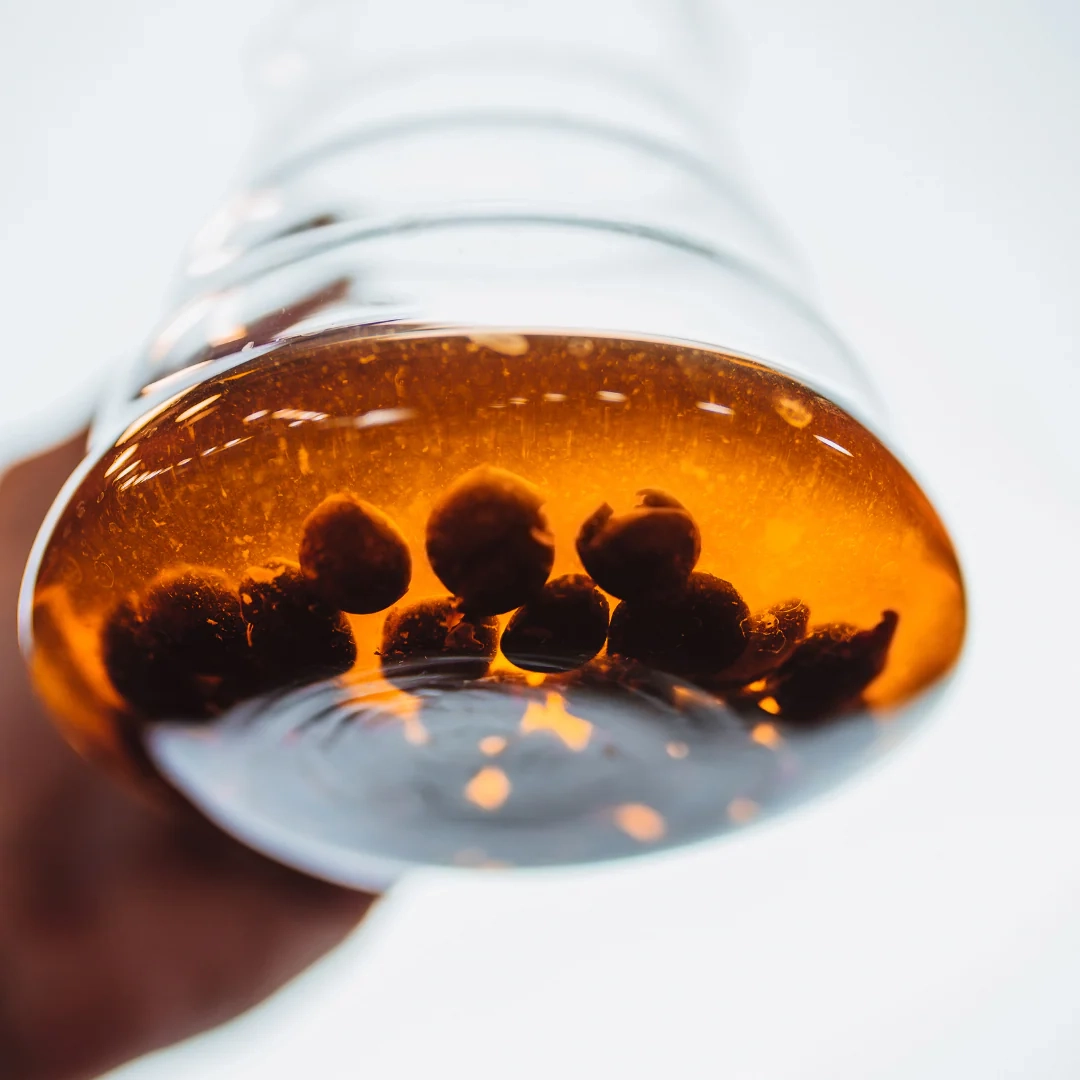
Clinically dosed, rigourosly researched ingredients
Some of what's inside

St. Mary's Thistle
Aids natural liver detoxification
Cascara Sagrada
Botanical bowel stimulant

German Chamomile
Calming, de-gassing botanical

Fennel
Traditionally used for bloat, stomach aches and constipation.

Common Questions About Your Constipation Relief
Everything you need to know about clearing stubborn waste and feeling light again while on your weight loss journey.
How long does it take to see results?
Most people begin to notice digestive changes within a few days of starting Debloat Detox, although this varies between individuals. Staying well-hydrated throughout the day can support the product’s benefits.
Is this a habit-forming laxative?
No. Unlike harsh chemical laxatives that can cause 'lazy bowel,' Debloat Detox® uses a balanced blend of traditional botanicals to support your natural digestive processes. It’s designed to help your gut do what it’s supposed to do, naturally.
Will I experience any cramping or urgency?
Our formula is designed for gentle elimination. We’ve included calming ingredients like Fennel and Chamomile to soothe the digestive tract and minimize the cramping or 'emergency' runs often associated with typical detox products.
Can I take Debloat Detox if I'm pregnant or breastfeeding?
Do not use if pregnant or likely to become pregnant. Do not use while breastfeeding.
Please speak with your healthcare professional if you have any questions or need personalized advice.
Reach out to us on hello@mywayup.com if you have any questions.
Please speak with your healthcare professional if you have any questions or need personalized advice.
Reach out to us on hello@mywayup.com if you have any questions.
What is the best way to take it?
For best results, take one capsule in the evening and one in the morning with a full glass of water. If you prefer, the full daily dose can be taken in the evening to support a productive morning movement.
Why is this better than taking fiber supplements?
When gut motility is severely slowed by medication, adding bulk (fiber) can sometimes make the backup worse and increase gas. Debloat Detox® addresses the root cause by gently stimulating movement rather than just adding volume to the stoppage.
Scientific References
*Scientific References | 1
1. GLP-1 Slows Gastric Emptying Jensterle, M., Ferjan, S., Ležaič, L., Sočan, A., Goričar, K., Zaletel, K., & Janez, A. (2023). Semaglutide delays 4-hour gastric emptying in women with polycystic ovary syndrome and obesity. Diabetes, Obesity and Metabolism, 25(4), 975–984. https://doi.org/10.1111/dom.14944
2. Constipation Rates in GLP-1 Users (STEP 1–3 Pooled Data) Sikirica, M., et al. (2021). Gastrointestinal tolerability of once-weekly semaglutide 2.4 mg in adults with overweight or obesity, and the relationship between gastrointestinal adverse events and weight loss. Diabetes, Obesity and Metabolism, 23(11), 2584–2594. https://doi.org/10.1111/dom.14551
3. GI Adverse Events — STEP 1 Trial Wilding, J.P.H., Batterham, R.L., Calanna, S., et al. (2021). Once-weekly semaglutide in adults with overweight or obesity. New England Journal of Medicine, 384(11), 989–1002. https://doi.org/10.1056/NEJMoa2032183
4. Normal Whole-Gut Transit Time Camilleri, M. Disorders of gastrointestinal motility. In: Goldman, L., Cooney, K.A., eds. Goldman-Cecil Medicine, 27th ed. Philadelphia, PA: Elsevier; 2024, chap. 122.
5. Constipation Definition (3+ Days Without Bowel Movement) Iturrino, J.C., Lembo, A.J. Constipation. In: Feldman, M., Friedman, L.S., Brandt, L.J., eds. Sleisenger and Fordtran's Gastrointestinal and Liver Disease, 11th ed. Philadelphia, PA: Elsevier; 2021, chap. 19.
6. Constipation-related bloating and visible abdominal distension Lacy, B.E., Cangemi, D., & Vazquez-Roque, M. (2021). Management of chronic abdominal distension and bloating. Clinical Gastroenterology and Hepatology, 19(2), 219–231. https://doi.org/10.1016/j.cgh.2020.03.056
2. Constipation Rates in GLP-1 Users (STEP 1–3 Pooled Data) Sikirica, M., et al. (2021). Gastrointestinal tolerability of once-weekly semaglutide 2.4 mg in adults with overweight or obesity, and the relationship between gastrointestinal adverse events and weight loss. Diabetes, Obesity and Metabolism, 23(11), 2584–2594. https://doi.org/10.1111/dom.14551
3. GI Adverse Events — STEP 1 Trial Wilding, J.P.H., Batterham, R.L., Calanna, S., et al. (2021). Once-weekly semaglutide in adults with overweight or obesity. New England Journal of Medicine, 384(11), 989–1002. https://doi.org/10.1056/NEJMoa2032183
4. Normal Whole-Gut Transit Time Camilleri, M. Disorders of gastrointestinal motility. In: Goldman, L., Cooney, K.A., eds. Goldman-Cecil Medicine, 27th ed. Philadelphia, PA: Elsevier; 2024, chap. 122.
5. Constipation Definition (3+ Days Without Bowel Movement) Iturrino, J.C., Lembo, A.J. Constipation. In: Feldman, M., Friedman, L.S., Brandt, L.J., eds. Sleisenger and Fordtran's Gastrointestinal and Liver Disease, 11th ed. Philadelphia, PA: Elsevier; 2021, chap. 19.
6. Constipation-related bloating and visible abdominal distension Lacy, B.E., Cangemi, D., & Vazquez-Roque, M. (2021). Management of chronic abdominal distension and bloating. Clinical Gastroenterology and Hepatology, 19(2), 219–231. https://doi.org/10.1016/j.cgh.2020.03.056
*Scientific References | 2
7. Bloating is driven by motility dysfunction, not body fat Cangemi, D.J., & Lacy, B.E. (2022). A practical approach to the diagnosis and treatment of abdominal bloating and distension. Gastroenterology & Hepatology, 18(2), 75–84.https://pmc.ncbi.nlm.nih.gov/articles/PMC9053509/
8. Constipation, ammonia reabsorption & cognitive impairment Ahluwalia, V., Wade, J.B., Heuman, D.M., et al. (2010). Enhancement of functional connectivity, working memory and inhibitory control on multi-domain cognitive tasks with resolution of minimal hepatic encephalopathy. Metabolic Brain Disease, 25(1), 103–110. https://doi.org/10.1007/s11011-010-9187-1
9. Constipation linked to cognitive decline equivalent to 3 years of aging Ma, C., et al. (2023). Bowel movement frequency, gut microbiome, and cognitive function. Presented at the Alzheimer's Association International Conference (AAIC), Amsterdam. https://www.aarp.org/health/conditions-treatments/constipation-may-cause-cognitive-decline/
8. Constipation, ammonia reabsorption & cognitive impairment Ahluwalia, V., Wade, J.B., Heuman, D.M., et al. (2010). Enhancement of functional connectivity, working memory and inhibitory control on multi-domain cognitive tasks with resolution of minimal hepatic encephalopathy. Metabolic Brain Disease, 25(1), 103–110. https://doi.org/10.1007/s11011-010-9187-1
9. Constipation linked to cognitive decline equivalent to 3 years of aging Ma, C., et al. (2023). Bowel movement frequency, gut microbiome, and cognitive function. Presented at the Alzheimer's Association International Conference (AAIC), Amsterdam. https://www.aarp.org/health/conditions-treatments/constipation-may-cause-cognitive-decline/
*Scientific References | 3
10. Brain fog in gut motility disorders — 54% prevalence Rezaie, A., et al. (2024). Brain fog in gastrointestinal disorders: Small intestinal bacterial overgrowth, gastroparesis, irritable bowel syndrome. Neurogastroenterology & Motility.https://pubmed.ncbi.nlm.nih.gov/39495803/
11. Gut-skin axis and acne/skin conditions Mahmud, M.R., et al. (2022). Impact of gut microbiome on skin health: gut-skin axis observed through the lenses of therapeutics and skin diseases. Gut Microbes, 14(1), 2096995.https://doi.org/10.1080/19490976.2022.2096995
12. Gut-brain axis: inflammation, fatigue & cognitive dysfunction Mayer, E.A., Nance, K., & Chen, S. (2022). The gut-brain axis. Annual Review of Medicine, 73, 439–453. https://doi.org/10.1146/annurev-med-042320-014032
13. Constipation, toxin reabsorption and acne Bowe, W.P., & Logan, A.C. (2011). Acne vulgaris, probiotics and the gut-brain-skin axis — back to the future? Gut Pathogens, 3(1), 1. https://pmc.ncbi.nlm.nih.gov/articles/PMC3038963/
14. 54% of acne patients have altered gut flora Kober, M.M., & Bowe, W.P. (2015). The effect of probiotics on immune regulation, acne, and photoaging. International Journal of Women's Dermatology, 1(2), 85–89.https://doi.org/10.1016/j.ijwd.2015.02.001
15. Gut dysbiosis drives systemic inflammation affecting skin Salem, I., Ramser, A., Isham, N., & Ghannoum, M.A. (2018). The gut microbiome as a major regulator of the gut-skin axis. Frontiers in Microbiology, 9, 1459.https://doi.org/10.3389/fmicb.2018.01459 answer
11. Gut-skin axis and acne/skin conditions Mahmud, M.R., et al. (2022). Impact of gut microbiome on skin health: gut-skin axis observed through the lenses of therapeutics and skin diseases. Gut Microbes, 14(1), 2096995.https://doi.org/10.1080/19490976.2022.2096995
12. Gut-brain axis: inflammation, fatigue & cognitive dysfunction Mayer, E.A., Nance, K., & Chen, S. (2022). The gut-brain axis. Annual Review of Medicine, 73, 439–453. https://doi.org/10.1146/annurev-med-042320-014032
13. Constipation, toxin reabsorption and acne Bowe, W.P., & Logan, A.C. (2011). Acne vulgaris, probiotics and the gut-brain-skin axis — back to the future? Gut Pathogens, 3(1), 1. https://pmc.ncbi.nlm.nih.gov/articles/PMC3038963/
14. 54% of acne patients have altered gut flora Kober, M.M., & Bowe, W.P. (2015). The effect of probiotics on immune regulation, acne, and photoaging. International Journal of Women's Dermatology, 1(2), 85–89.https://doi.org/10.1016/j.ijwd.2015.02.001
15. Gut dysbiosis drives systemic inflammation affecting skin Salem, I., Ramser, A., Isham, N., & Ghannoum, M.A. (2018). The gut microbiome as a major regulator of the gut-skin axis. Frontiers in Microbiology, 9, 1459.https://doi.org/10.3389/fmicb.2018.01459 answer


